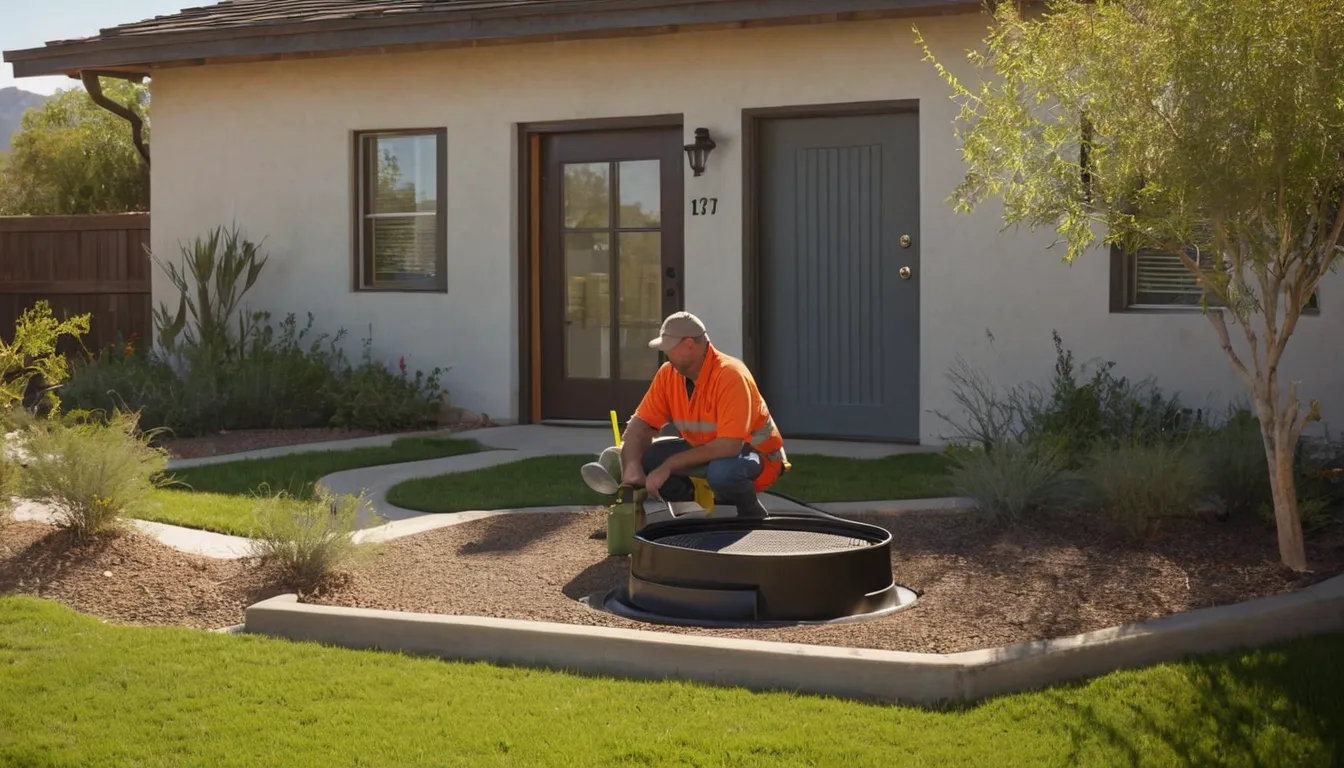
Septic System Repair for Calabasas Homeowners
A septic system repair fixes the part of your system that has failed. That might be a baffle, a pump, a pipe, a distribution box or the drainfield. The right fix depends on what went wrong and how old the system is.
Sauceresidential Septic is a referral service. Providers do the work, not us. We connect Calabasas homeowners with independent providers in our network, explain what drives the price, and encourage you to get it in writing. Older houses get extra patience, since past repairs and aging parts can hide surprises. There is no obligation to hire anyone.
Septic trouble? Read this first
If your drains gurgle, your yard smells, or the ground over the tank is soggy, your system may need repair. These signs rarely fix themselves. This page covers what repairs involve, what drives the price, and how to compare quotes.
Sauceresidential Septic is a referral service. Independent providers in our network do the work.
Warning signs that need attention first
Watch for these, starting with the most urgent:
- Sewage backing up into a tub, shower or floor drain
- Wet, spongy or unusually green patches over the tank or drainfield
- A strong sewage smell indoors or in the yard
- Slow drains in every room, not just one
- Gurgling pipes or an alarm sounding
If sewage is coming up inside, stop using water. Skip showers and laundry until a provider looks at it. Request a callback to check provider availability. Many providers can respond quickly to a backup.
Why acting early saves money
Small faults grow. A cracked baffle is a modest fix. Left alone, solids can flow out to the drainfield and clog it. Drainfield work is usually the costliest part of any septic job. Catching trouble early is the frugal move.
When a pump-out comes before the repair
Sometimes a full tank is part of the story. A provider may suggest septic tank pumping so they can see the baffles and walls. After a serious backup, emergency septic cleaning may clear the tank first. That is a separate step from the repair, so look for it as its own line on the quote.
Common septic problems
Most repairs fall into a short list:
- Broken or missing baffles and tees
- Pumps, floats and alarms that wore out
- Cracked tanks or damaged lids
- Pipes that are clogged, crushed or invaded by roots
- A damaged distribution box that sends water unevenly
Each one has a different price, which is why a written diagnosis matters.
How a repair visit works
A provider usually starts with questions about symptoms and past work. Next they open the tank lids, check liquid levels and look at the baffles. They may run water to watch how the system drains, or use a camera in the pipes. Then you get a diagnosis and a quote. You decide what happens next.
Drainfield repair and replacement
Drainfield repair depends on why the field struggled. Common causes are too much water, roots, packed soil, grease and plain age. Options range from resting the field and fixing the distribution box to adding lines or replacing the field.
Soil tests and local permits may be involved. Long dry seasons can make digging easier. Winter rain events can soak a field and expose weak spots, so a failure often shows up then.
Water well service and your septic system
If your home has a well, tell the provider. A failing system can put well water at risk. Ask about water well service or testing if you drink from a well, and ask where the field sits compared to the wellhead.
Older homes: what hides underground
Older bungalows and 1950s to 1980s tract homes can hold surprises. Tanks may be rusted steel or crumbling concrete. Pipes may be clay or cast iron. Past repairs may be undocumented, and a patio or addition may now sit over the tank. On slab homes, pipe access can take more digging.
Ask the provider to locate everything first and to note what they find. Budget a little extra for the unexpected.
Repair or replace?
Think in trade-offs. Repair often makes sense when the fault is isolated, like a pump or a baffle. Replacement may make more sense when the tank is cracked in several places, the field has failed more than once, or repair costs near half of a new system.
Compare before committing. A second written quote can show whether a big number is fair.
What drives the price
Five things move the total most: how deep and hard the digging is, how big the tank and field are, soil conditions, permit and inspection fees, and the parts needed. Easy access to the tank lowers labor. Tight yards raise it.
Insurance and paperwork
Some policies may cover sudden damage; check your policy. Wear and tear is usually treated differently. Providers can often help document damage for a claim, so ask for photos and a written description.
Protecting your system after a repair
- Pump the tank on the schedule your provider suggests
- Spread laundry across the week
- Keep wipes, grease and chemicals out of the drains
- Keep cars and heavy equipment off the field
- Send roof and gutter water away from the field
- Plant grass over the field, not trees
Questions to ask the provider
- Is the quote written and itemized?
- What caused the failure?
- Are permits and inspections in the price?
- What warranty comes with the parts and labor?
- Will you give me a record of the work?
Get it in writing, then compare
Providers do the work, and each one prices a little differently. Ask for written quotes from more than one. Look at the scope, not just the total. Then choose the one that fits your home and budget.
What's Included
Fault diagnosis
A provider checks the tank, baffles, pump and pipes to find what failed before quoting any repair.
Baffle and tee fixes
Replacing damaged parts inside the tank keeps solids from reaching the drainfield.
Pump and alarm work
Providers can replace worn effluent pumps, floats and alarms on systems that use them.
Drainfield and box repair
Options include fixing the distribution box, adding lines or replacing failed field sections.
Typical septic repair costs in the U.S.
Prices vary a lot by soil, access, permits and system age. These are typical U.S. ranges only, not quotes. Get a written, itemized quote before you agree to any work.
| Repair item | Typical range | Notes |
|---|---|---|
| Inspection and diagnosis | $100 – $500 | Camera work can add to the total |
| Baffle or tee replacement | $300 – $900 | Needs an open, accessible tank |
| Pump, float or alarm | $400 – $1,500 | Depends on pump type and depth |
| Tank lid or riser | $300 – $1,000 | Safety fix; helps future access |
| Distribution box repair | $500 – $2,000 | Costs rise if digging is deep |
| Drainfield repair or replacement | $2,000 – $20,000+ | Widest range; soil and permits matter |
How It Works
Share your symptoms
Request a callback to check provider availability, or use the form to describe the backup, smell or soggy spot.
Get matched
Your request goes to an independent local provider in our network.
Review the written quote
Check the scope, parts, permits and warranty. Compare it with a second quote.
Choose the provider
You hire the provider directly. The provider does the repair, not Sauceresidential Septic.
Why Call Sauceresidential Septic
Plain referral model
Sauceresidential Septic routes requests to independent providers. Providers do the work and set their own prices.
Price clarity
We explain what drives septic repair costs so a quote makes sense before you agree.
Older home care
Aging pipes and past repairs get extra patience and better questions.
No obligation
Request an estimate, compare quotes and decide on your own timeline.
Other Services

Need septic system repair in Calabasas?
Tell us what is going on with your septic or sewer system. We will pass your request to a provider in our network. No obligation to hire.
No obligationSeptic System Repair FAQ
- How much does septic system repair cost?
- Typical U.S. repairs run from a few hundred dollars for a baffle or pump to several thousand for drainfield work. Costs vary by job, so get a written, itemized quote before you agree.
- How do I know if my septic system needs repair?
- Sewage backups, gurgling drains, bad smells and soggy or bright green ground over the tank or field are common signs. A provider can inspect the system to confirm the cause.
- Can a failing drainfield be fixed without replacing it?
- Sometimes. If the cause is a damaged box, roots or overloaded use, a repair or rest period may help. A badly clogged field often needs partial or full replacement.
Get in touch
Tell us what is going on with your septic or sewer system. We will pass your request to a provider in our network. No obligation to hire.
No obligation